Being an Entrepreneur Without Going Crazy
There won't be jokes about how running a business in Poland means you won't laugh at the circus. This is about burnout crisis and what to do about it from an entrepreneur's perspective.

Rafal Szymanski
I implement LinkedIn and Sales Navigator in B2B companies.

Being an Entrepreneur Without Going Crazy
Today there won’t be jokes about how running a business in Poland means you won’t laugh at the circus.
Today is World Mental Health Day and for anyone running a business, it should be an important day.
This year’s theme by the World Federation for Mental Health is very important: “Mental health in emergency and disaster situations”.
We’re not just talking about war zones or natural disasters. We’re talking about overwhelming emotions, economic pressure, constant bad news from the East, anxiety related to social media algorithms, and the silent breakdown happening behind elegant Zoom or corporate Teams conversations.
When working for yourself, you feel this more intensely because most of the time you silently endure the pressure, manage chaos, ignoring your own crisis.
Entrepreneurs are in their own crisis situation. And it’s not always visible.
Let’s remember that in Poland, suicide attempts are at the top of the death list, and among successful ones, those by adult men prevail.
Statistics That Make You Think
Statistics confirm this too. According to a survey conducted in 2025 by Startup Snapshot:
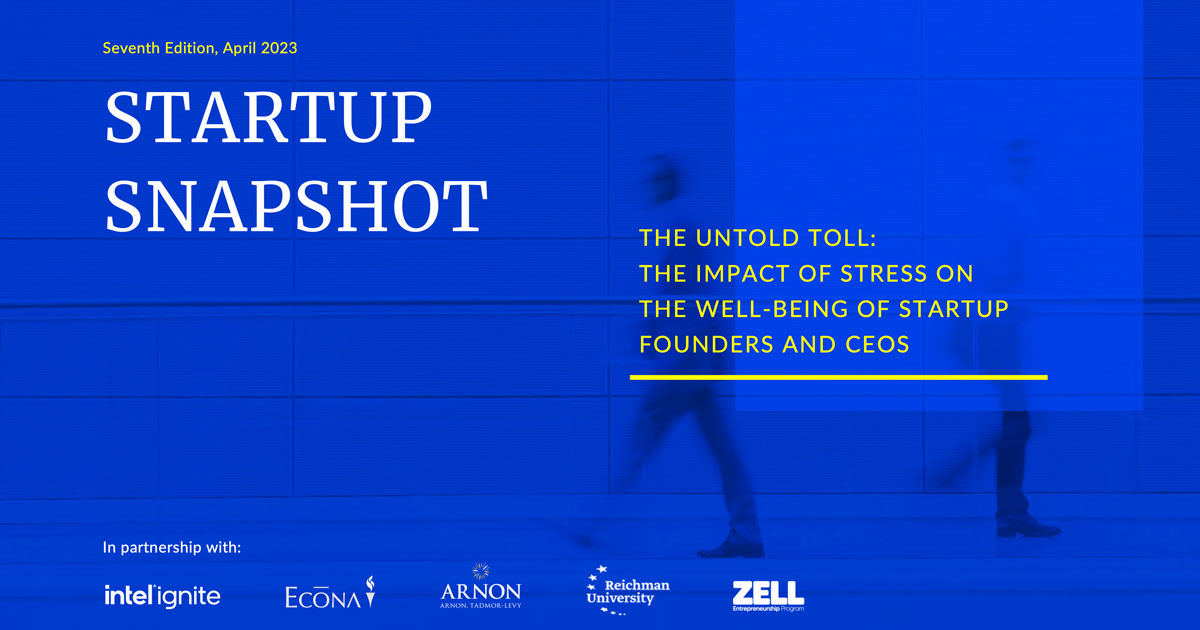
81% of founders don’t speak openly about their mental health struggles
- 49% rely solely on co-founders or spouses, not qualified support
- Almost all report feeling emotionally isolated during crisis
This year’s campaign isn’t just about awareness. It’s about making mental health accessible, actionable, and real for leaders, especially in times when the world is constantly changing. If you’re building a company, leading a team, or struggling with uncertainty, you’re not only responsible for profits. You’re responsible for the people behind it all.
You can’t build a thriving business if the people behind it are barely making ends meet.
Eye-Opening Conversations
I once had an interesting conversation on “Founders Mind” with one of the owners of a very successful startup who told me: “Rafal, my partner has been in deep depression for a year, and I can’t cope myself.”
I had another conversation on Monday – with someone who often speaks publicly but this time decided to skip the hottest period of the year to take care of their mental well-being. I really respect that.
Being a business owner who employs someone, or like I used to be, running a sole proprietorship, comes with no warnings. No one tells you what a high price you have to pay for the pressure.
You just feel it. Quietly.
In recent months, when I opened up more to vulnerability and speaking publicly about my social work related to mental health, I’ve received quite a response. Privately. In private messages: “Thank you for naming what I felt.”
I think that’s one of the reasons why I devote a large part of my time to the mental health area.
Silence is not strength. Vulnerability is strength.
The Hidden Burden – Let’s Bust Some Myths
Let’s bust some myths and establish some facts:
Being an entrepreneur isn’t just freedom. It means carrying a mental burden:
- Paying salaries while balancing personal obligations
- Making tough decisions when you don’t want to let anyone down
- Creating space for your team while hiding your own stress
- Leading when you’re quietly falling apart
Let’s establish that there’s no such thing as “work” and “life”. You have one life. Trying to separate these two spheres is what exhausts us.
When I went through my child’s mental illness, then job loss, divorce, and rebuilt everything from scratch – including who I was as a man, father, someone who has to earn for himself and others – I realized that burnout isn’t a badge of honor but an alarm signal. I regret not recognizing those warning signs earlier.
How to Help Yourself?
Now, when my wife and I have four children in a blended family on our minds and in our hearts, a sole proprietorship, two companies, and lots of social activities, there are several things that help me. Maybe you’ll take something from this for yourself:
-
I rejected perfection. I’m a good enough entrepreneur and the best version of a parent I can be, but certainly not perfect.
-
I let go when the stress spring winds up. I can skip that training, I can miss that event, I can pass on many professional opportunities to take care of myself.
-
I have my oxygen mask and support group when I’m short of breath. For me, it’s cycling or wandering around Warsaw with friends with the task of finding things we didn’t know.
-
Conversation. I seek support, I try to talk, not close myself off. The hardest point to implement.
How to Help Someone Else?
It may happen that someone asks you for a conversation and help. How to behave. I believe a very good method is 3xL: Look, Listen, Link.
The link references a Unaweza Foundation project that applies this in their programs helping young people, but the principles are universal:
-
LOOK Assess the situation, notice signs of crisis, ensure safety for yourself and the person you’re helping.
-
LISTEN Show empathy, ask open questions about the situation and how the person feels, acknowledge all their emotions, don’t judge, don’t give advice.
-
LINK Offer concrete help in finding appropriate support (e.g., psychological help), remind them of resources (e.g., the person’s strengths, their capabilities, people ready to help).
What Can You Do Now?
Conversation is important. It’s the first step. Next on the list:
- Check on your team. Yes, but also on yourself. You’re part of the team, even in a sole proprietorship. - Start a conversation privately or publicly, break the silence. - Define your availability standards, set boundaries, rest, use therapy, and be honest. - Serve help, don’t force sales, especially this week. Be human above all.
Mental Health Strategies for Entrepreneurs
Awareness is the first step, but you need real actions to avoid burning out professionally. Here are practices I use to protect my mental health:
👉 Create micro-routines. You don’t need a 2-hour morning ritual recommended by TikTok influencers. You do need reference points throughout the day. 10 minutes of meditation, a walk after phone calls, or journaling before bed can reset your nervous system and perspective. Anything that anchors you.
👉 Build a support circle. Build a small circle of trusted colleagues, mentors, or coaches you can talk to without judgment. Sometimes just saying something out loud releases tension.
👉 Schedule recovery just like revenue. If you plan your post premieres down to the hour, plan recovery with the same precision. Therapy, workouts, internet-free weekends – put them in your calendar before you reach your limit.
👉 Integrate, don’t separate. Stop chasing the myth of “work-life balance”. You don’t have two lives, you have one. Consciously merge them: invite your family to participate in your successes, share difficulties with your team, and let your values permeate both areas.
👉 Train your team in transparency. Lead by example. If you set boundaries, they’ll believe they can too. If you admit you’re struggling, they’ll be honest with you instead of hiding their problems.
Who Is This Post For?
To the freelancer with a sole proprietorship who doubts themselves at 2 AM. To the manager carrying the weight of their team. To the business owner who shows up every day but feels invisible…
You’re not alone.
Let this next week be more than just awareness. Let’s move to action and provide each other space for conversation.
Useful Links:
HELPPP Page from the Young Minds Program
First Aid for Mental Health consists of 3 simple steps“The Untold Toll Report” Study Startup Snapshot
The Untold Toll Report Startup Snapshot StudyPoster used as illustration, I have it in my office
Freelancer Poster by Pawel Jonca, available in his storeMarc Randolph’s Podcast (Netflix co-founder) who speaks with brutal honesty about founders’ anxiety and resilience. His confession reminds me that leadership isn’t spreadsheets. It’s surviving your own doubts.
Maybe we can do something together?
If you like what I write, maybe I can write something for you?