Economic Forum in Karpacz
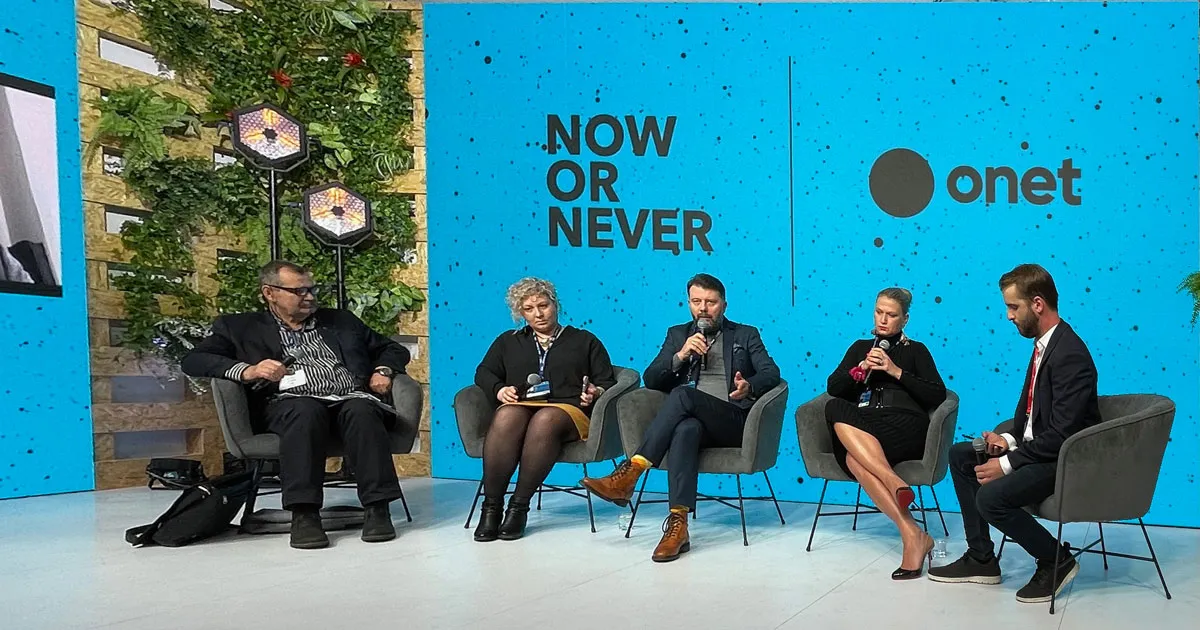
"Discussion panel on the state of child and adolescent psychiatry commissioned by ONET during the Economic Forum in Karpacz"
Economic Forum in Karpacz

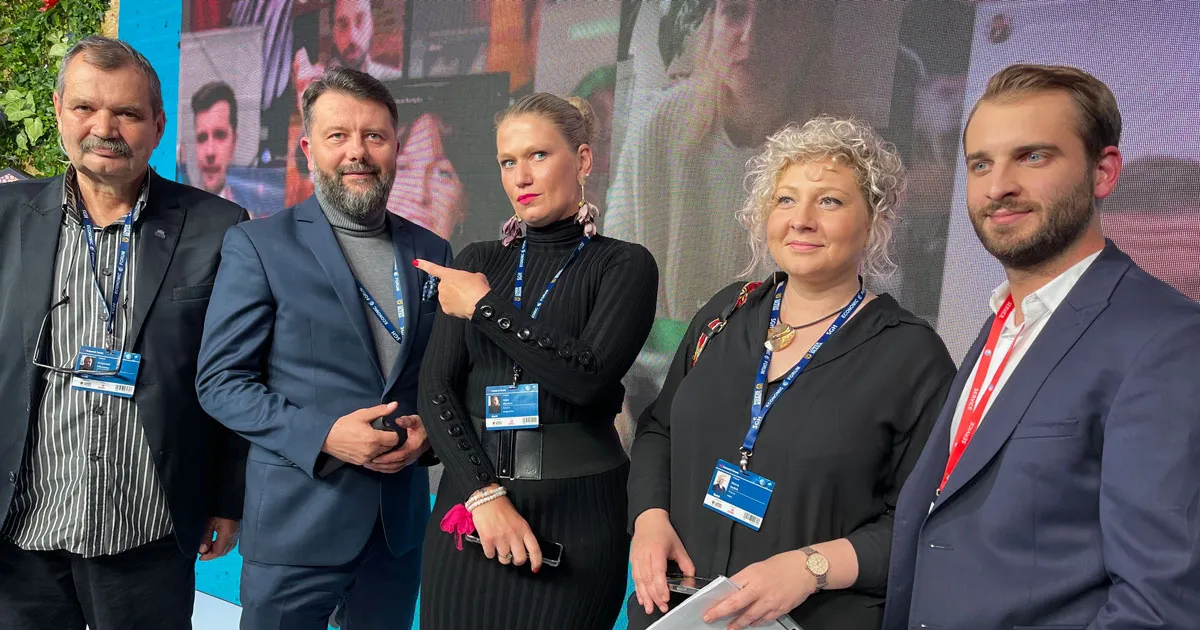
The Economic Forum in Karpacz is the most important event in Poland where Polish politicians and government representatives meet with business. The panel organized by ONET and moderated by Janusz Schwertner from the editorial office was the first of its kind in the history of this conference. The panel participants included: MP Marta Golbik (Mental Health Committee in the Polish Sejm), psychiatrist Maja Herman, representatives of the Patient Rights Ombudsman and the Commissioner for Human Rights, and I represented the voice of parents.
What the panelists said, which numbers were quoted and what has changed in the five years since the debate is in my post on child psychiatry in Poland.
About the Economic Forum in Karpacz
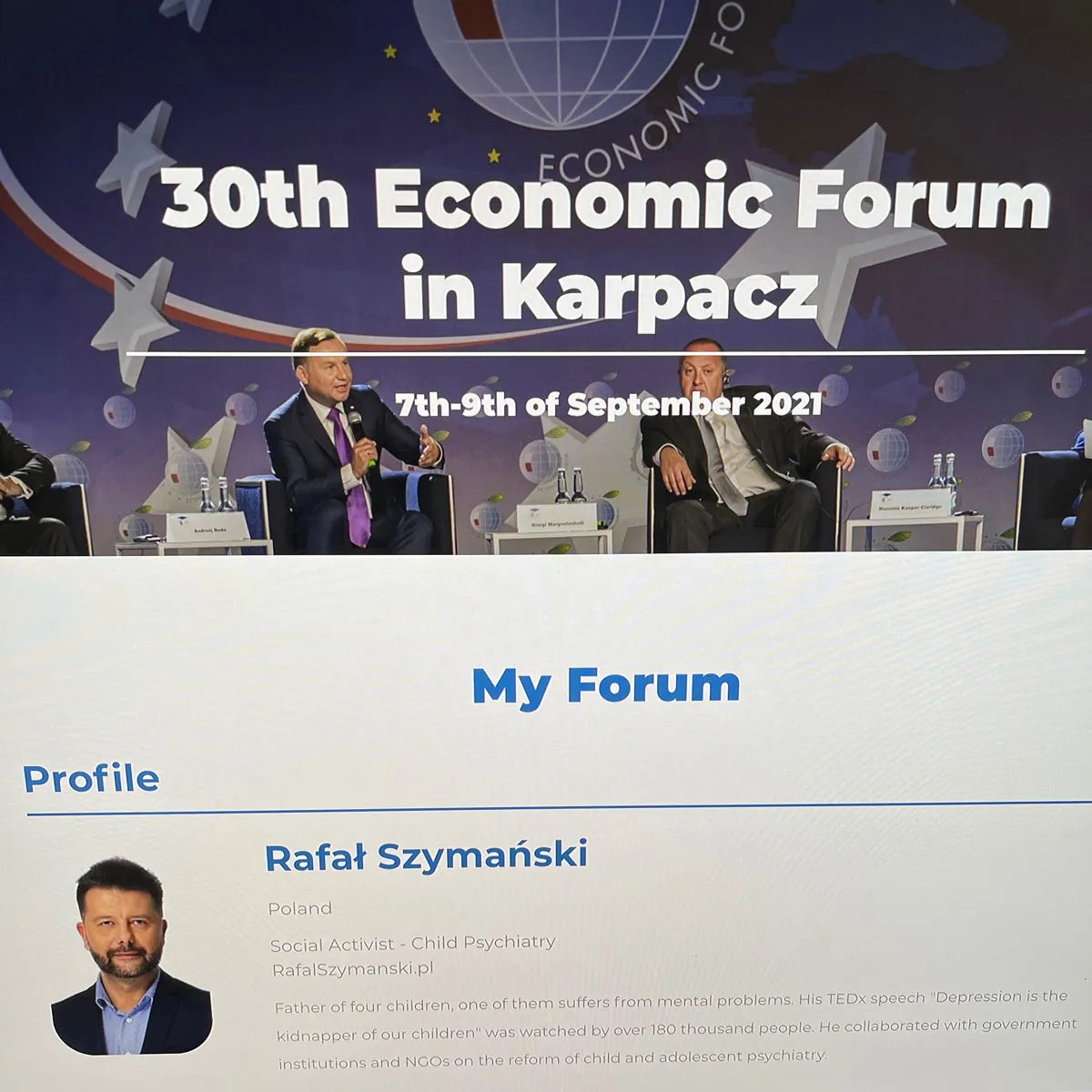
The Economic Forum in Karpacz (formerly held in Krynica-Zdroj) is often referred to as the “Polish Davos.” It is the most important annual gathering in Poland where senior government officials, members of parliament, business leaders, diplomats, and civil society representatives meet to discuss the country’s most pressing economic and social challenges. The event typically spans several days and features hundreds of panels covering everything from macroeconomic policy and EU relations to energy transition and healthcare reform.
A historic first — child psychiatry at the Economic Forum
The panel on the state of child and adolescent psychiatry, organized by the ONET media group and moderated by investigative journalist Janusz Schwertner, was the first discussion of this topic in the history of the Economic Forum. This is significant: mental health care for young people had never been considered important enough to feature alongside discussions of GDP growth, defense spending, and industrial policy. The very fact that the panel took place represents a shift in how Polish decision-makers perceive the urgency of the youth mental health crisis.
The panel and its participants
The discussion brought together voices from different parts of the system. Member of Parliament Marta Golbik represented the legislative perspective as a member of the Mental Health Committee in the Polish Sejm. Psychiatrist Maja Herman provided the clinical view from the frontlines of an overwhelmed healthcare system. Representatives of the Patient Rights Ombudsman and the Commissioner for Human Rights contributed the institutional and legal framework. As a parent whose child has been through the psychiatric system, I provided the family perspective — the reality that statistics and policy papers cannot fully capture.
Why the parent’s voice matters in policy discussions
Policy discussions about mental health care tend to focus on funding levels, staffing ratios, and organizational structures. These are essential topics, but they often miss the human dimension: what it actually means when a teenager in crisis waits months for an outpatient appointment, or when a family is discharged from hospital with no follow-up plan. The parent’s perspective bridges this gap, translating systemic failures into concrete, lived experiences that resonate with decision-makers in ways that aggregate data alone cannot.
More about my talks, debates and media appearances on this subject: talks on children’s mental health and parenting.